
PLAYERS
Gabriel Jesus Says Bukayo Saka Belongs Among the World’s Best Wingers
Gabriel Jesus has backed Bukayo Saka to sit at the same level as Vinicius Junior, Rodrygo and Raphinha, while insisting Arsenal can achieve something special this season.
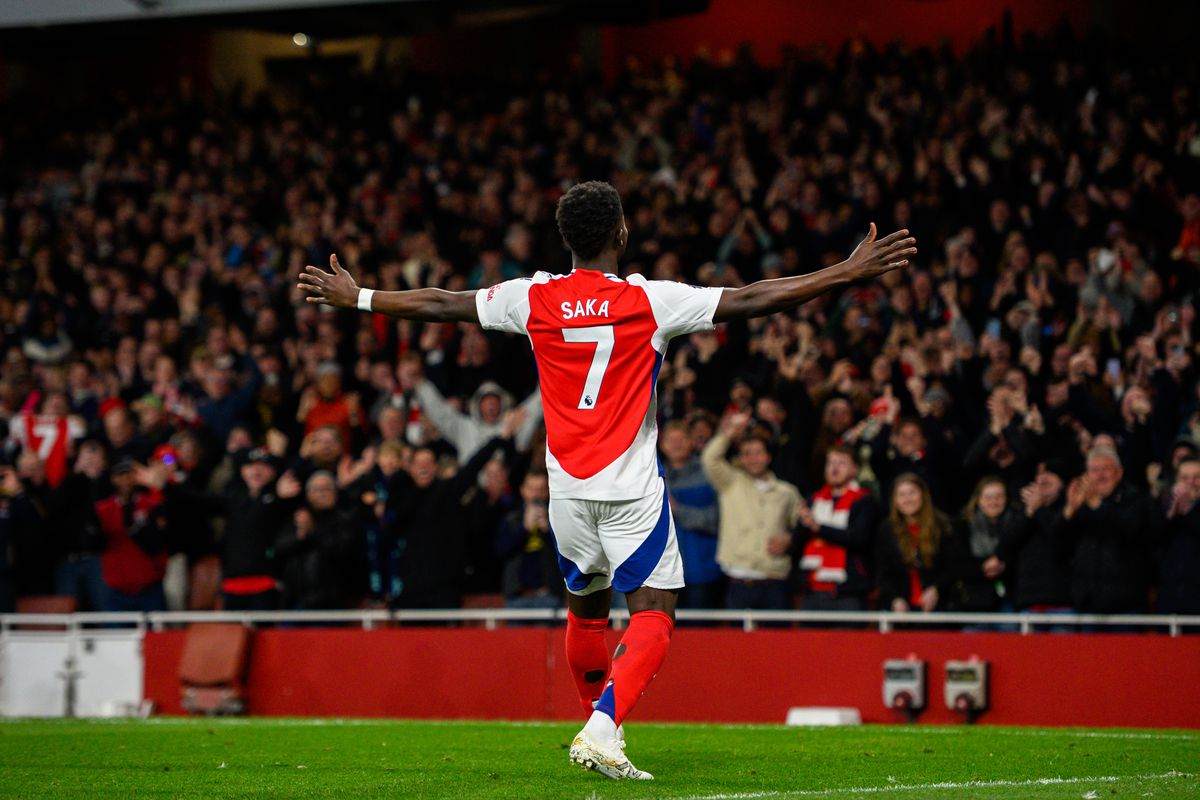
Gabriel Jesus has placed Bukayo Saka in the company of the world’s top wide forwards, arguing that the Arsenal star belongs at the same level as Vinicius Junior, Rodrygo and Raphinha. The comments arrive at a significant point in Arsenal’s season, with Mikel Arteta’s side sitting top of the table and belief growing inside the squad that this campaign could end with a major prize. For Jesus, the conversation around Saka is no longer about promise alone. It is about elite status, sustained impact and the final step that often defines football reputations: trophies.
Speaking in a high-profile interview, Jesus made it clear that he does not see Saka as a player aspiring to join the top bracket of wingers. In his view, the England international is already there. That is a powerful endorsement, particularly coming from a teammate who has experienced top-level football in England, Europe and international competition. It also reflects how Saka is increasingly viewed inside the game: not merely as Arsenal’s brightest academy success, but as one of the most decisive attacking players in modern football.
Why Jesus believes Saka is already elite
Jesus framed the debate in simple terms. When asked where Saka belongs among the best wingers in the world, he placed him at the same table as some of the sport’s most celebrated names. The comparison was not made on style alone, but on impact. In elite football, the most important attackers are often judged by whether they influence the biggest moments, tilt high-pressure matches and carry attacking responsibility for clubs chasing titles. Saka has done exactly that for Arsenal over a sustained period.
This season, he has again been central to Arsenal’s attacking structure. His output, consistency and decision-making have reinforced a profile that has been building for years. He is no longer a young player breaking through. He is one of the main reference points in a side expected to compete for major honours, and he has handled that responsibility with increasing maturity.
Jesus also highlighted a quality that can sometimes be overlooked amid discussions about goals, assists and numbers: personality. He praised Saka’s humility, character and capacity to remain grounded despite his status. In an era when hype often reshapes public perception overnight, that kind of endorsement matters. The suggestion is that Saka’s excellence is not only technical or tactical, but also personal. He has become a leading figure without losing the mentality that helped build him.
The trophy question still hangs over the debate
There was, however, one important caveat in Jesus’ assessment. He made the point that trophies still matter when a player’s standing is judged historically. That is not a criticism of Saka so much as an acknowledgement of how football’s highest tier is usually defined. Individual quality can put a player in the conversation, but silverware often settles it.
That idea is especially relevant to Arsenal’s current moment. The club’s progress under Arteta has been clear, and the squad now carries the pressure that comes with moving from hopeful contender to expected challenger. For players like Saka, the next step is no longer about proving they belong at the level. It is about turning that level into collective success.
Jesus appears convinced that breakthrough is close. He spoke with real confidence about Arsenal’s title chances, stressing that the squad is in a strong place and capable of doing something significant this season. That optimism adds another layer to his praise of Saka. The argument is not only that Saka belongs among the elite; it is that he could soon have the team achievements to strengthen that case beyond debate.
Saka’s place in Arsenal’s identity
Part of what makes Saka’s rise so resonant is the path he has taken. He came through Arsenal’s academy, developed under scrutiny and has grown into one of the club’s most important figures without losing the connection supporters feel toward him. Players of that profile often become symbols as much as starters. They represent continuity, culture and the idea of a club project succeeding from within.
That makes Jesus’ comments even more meaningful inside the Arsenal context. He is not speaking about a talented teammate in abstract terms; he is speaking about one of the emotional and competitive anchors of the team. Saka’s role extends beyond numbers. He drives transitions, carries attacking responsibility, absorbs pressure from defenders and remains one of Arsenal’s clearest match-winning threats.
His season total of nine goals across all competitions may only tell part of the story. Influence cannot always be measured neatly through output. The best attackers alter how opponents defend, how teammates move and how matches are prepared. Saka increasingly operates in that territory.
What comes next
The timing of this discussion matters because football narratives can crystallise quickly when a season reaches its decisive phase. If Arsenal finish strongly and convert their position into silverware, then debates about Saka’s global standing will become harder to resist. The combination of elite performance, big-match relevance and team success tends to remove most lingering hesitation.
For now, Jesus has offered one of the clearest statements yet on where Saka belongs. In his eyes, Arsenal’s star is already sharing space with the biggest names in world football. The remaining challenge is not recognition from teammates or admiration from observers. It is turning individual excellence into the kind of collective triumph that defines eras. If Arsenal deliver on their promise this season, Saka’s place at that top table may stop being a debate altogether.
Comments
Comments publish immediately.
Loading comments...