
NEWS
Jude Bellingham Opens Up On Shoulder Surgery Regret And Real Madrid Recovery
Jude Bellingham has reflected on delaying shoulder surgery, admitting the best time may have been after Euro 2024 as the Real Madrid midfielder continues his recovery journey.
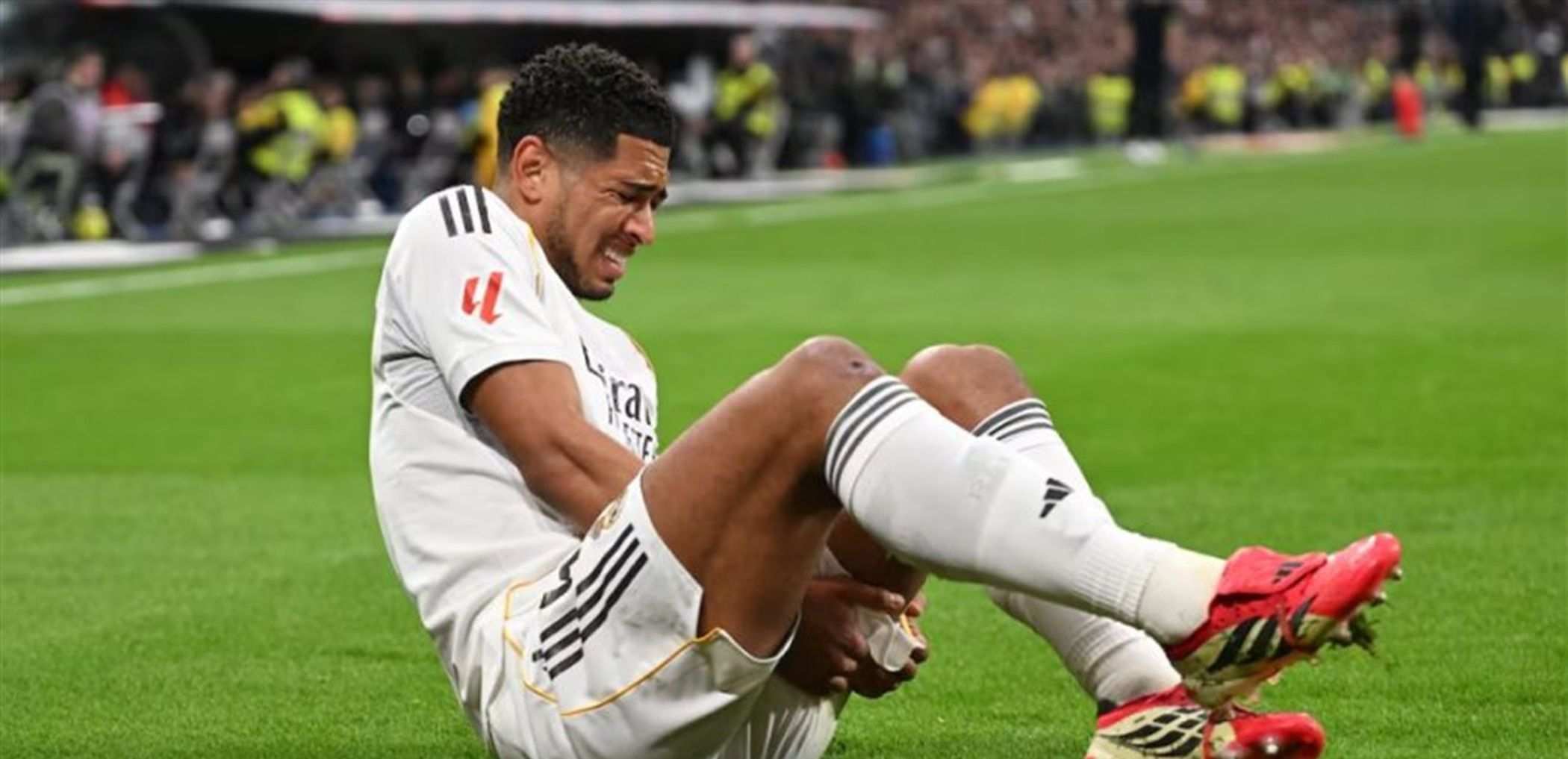
Jude Bellingham has offered an unusually candid look into one of the most difficult injury decisions of his young career, admitting that in hindsight the best time to undergo shoulder surgery may have been after Euro 2024. The Real Madrid midfielder spoke openly about the physical pain, emotional anxiety and long-term consequences of delaying the procedure, revealing just how much the problem affected not only his shoulder but the rest of his body. For a player already carrying enormous expectations for both club and country, those comments add fresh depth to the public understanding of the injury battle he has been managing for several years.
Bellingham’s reflections matter because they show the complicated reality elite footballers face when they are asked to balance immediate competitive demands against long-term physical wellbeing. In his case, the choice was never purely medical. It was tied to the World Cup in 2022, to his first season at Real Madrid, to the momentum of a successful club campaign, and to the emotional difficulty of stepping away while so much was still at stake. That is what makes his comments so compelling. He is not simply saying the decision was wrong. He is explaining why it felt almost impossible to make a different one at the time.
A painful issue that stayed with him for years
The shoulder problem has been part of Bellingham’s career story for longer than many people may realize. He first suffered a dislocation during his Borussia Dortmund period and chose not to have surgery before the 2022 World Cup because of the risk to his availability. That set a pattern of management rather than complete resolution. The issue returned, and the injury against Rayo Vallecano in November 2023 became a particularly traumatic moment. Bellingham described it as the most painful experience he had been through at the time, explaining that on this occasion he could not put the shoulder back in himself and had to wait for the physios to do so.
That detail is revealing. It illustrates not only the physical severity of the episode, but also the mental burden that comes with repeated instability. A player can begin to live with the constant fear that one awkward fall or one mistimed landing will trigger the same pain again. Bellingham spoke directly about that instability, acknowledging the anxiety it created and how much he looks forward to playing without a brace. For someone whose game relies on intensity, duels, movement and physical expression, that kind of limitation affects much more than one body part.
Why he chose to delay the surgery
Bellingham’s explanation for postponing the procedure is deeply human and entirely understandable. He did not want to interrupt a season that was going so well for both him and Real Madrid, nor did he want to miss months and potentially alter the trajectory of a campaign that was heading toward major success. That logic reflects the mindset of elite athletes, who often feel that momentum is something precious and fragile. Walking away for a long recovery can feel like abandoning the team and risking the rhythm that has been built through months of competition.
There was also an emotional component tied to Euro 2024. Real Madrid’s season ended on a high, but England’s campaign did not close with the same feeling, and Bellingham admitted he did not want that disappointment to be his final football memory before disappearing into rehabilitation for months. That honesty matters because it shows that recovery decisions are rarely made inside a vacuum of pure reason. They are shaped by context, emotion, loyalty, ambition and timing. In hindsight, he now believes the post-Euro window may have been the best moment, but hindsight is always cleaner than the reality athletes live through in real time.
The wider physical impact and the road back
Another significant element of Bellingham’s comments is the admission that the shoulder issue had effects elsewhere in his body. He explained that pain in his back led to a scan which revealed a herniated disc near the shoulder area. That suggests the injury was not simply an isolated inconvenience, but something capable of influencing broader movement patterns and physical comfort. When one part of the body is unstable, compensation often follows, and that can create secondary problems over time. For an elite midfielder expected to play at high intensity across a long season, that kind of chain reaction can become extremely difficult to manage.
After eventually undergoing surgery in London in the summer of 2025, Bellingham returned to La Liga action in September. His comeback, however, was followed by other physical frustrations, including a hamstring issue, reminding everyone that recovery is rarely linear. Even so, his current objective appears clear: to get back not just to playing condition, but to his best physical version. That distinction matters. Returning to the pitch is one milestone. Feeling fully free in the body again is another.
What Bellingham’s honesty tells us about elite football
There is something especially powerful about how openly Bellingham discussed the fear surrounding surgery. He described it as the most anxious he had ever been about anything and spoke about how worried he was about what could go wrong. Those admissions strip away the myth that elite footballers move through injury decisions with total certainty or detachment. They do not. They feel fear, doubt and emotional conflict like anyone else, only with the added pressure of millions watching and the demands of club and country constantly pushing against rest.
- Bellingham said the best time for shoulder surgery may have been after Euro 2024.
- He described the Rayo Vallecano dislocation as the most painful injury experience of his life at the time.
- The shoulder issue affected not only stability but also other areas of his body, including his back.
- He delayed surgery because of World Cup timing, Real Madrid’s season and the emotional weight of stepping away.
- The midfielder is now focused on returning to his best physical condition for both club and country.
Ultimately, Bellingham’s reflections offer more than an injury update. They reveal the cost of trying to keep going while carrying pain, the burden of choosing when to stop, and the emotional complexity behind every medical decision at the highest level. For Real Madrid and England, the hope will be that the worst of that chapter is now behind him. For Bellingham himself, the bigger goal is even clearer: to play again without fear, without restriction and without the constant shadow of instability hanging over every movement.
Comments
Comments publish immediately.
Loading comments...